01
Extrusion Coating
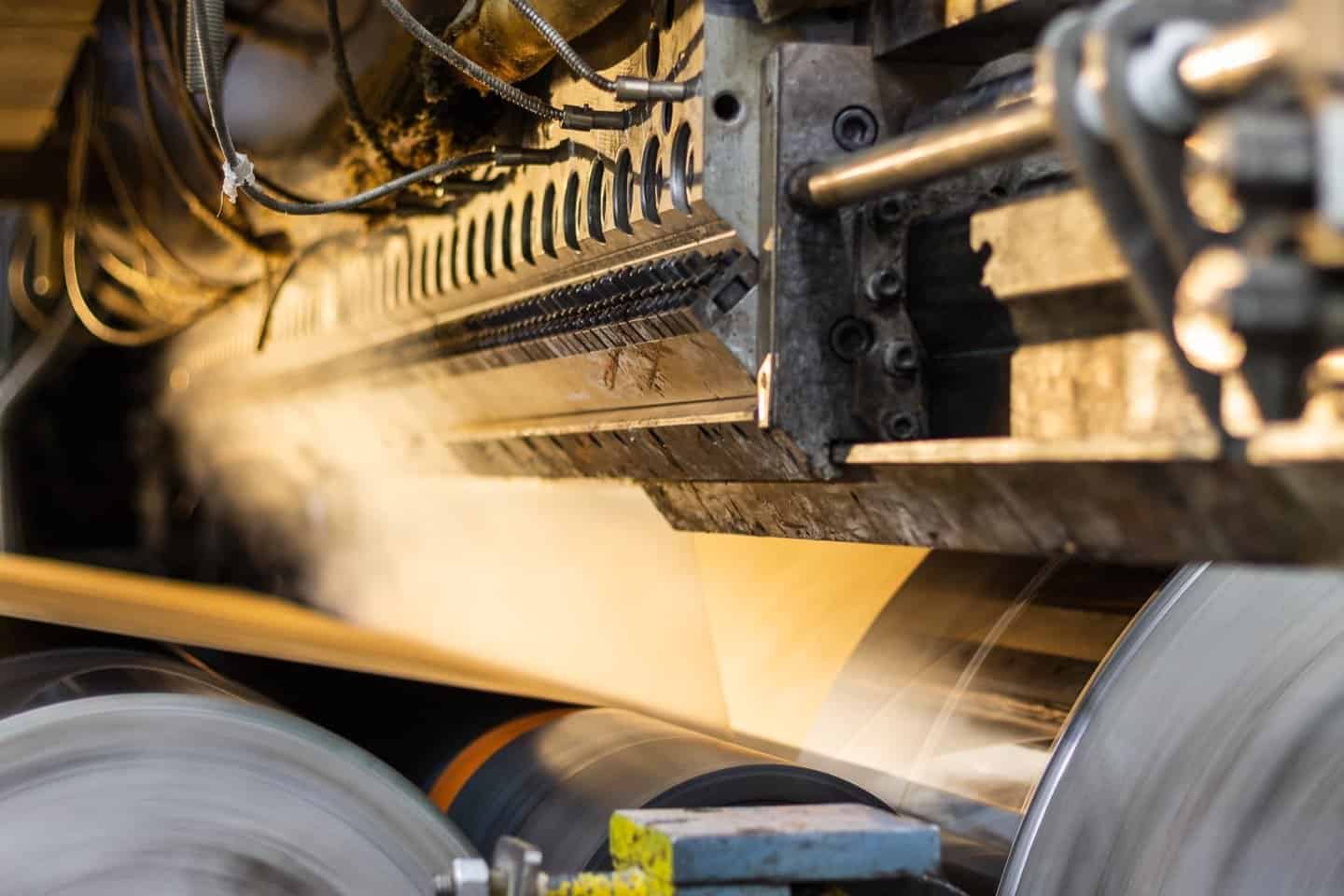
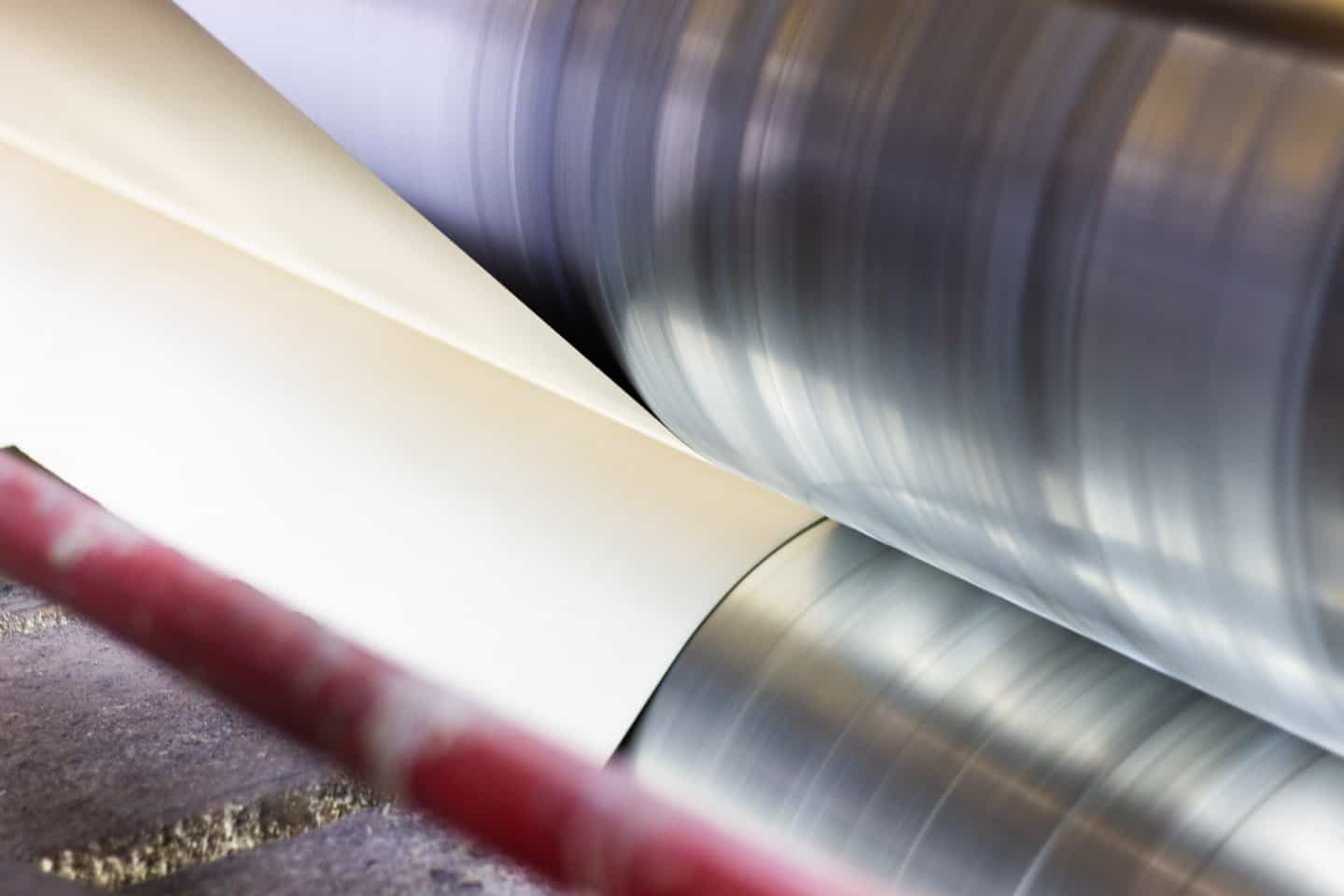
Molten polyethylene is laid directly onto the board as it runs, producing a poly coated sheet where a moisture or grease barrier is required.
Constantine, Michigan. Converting since 1951.
Custom laminated paperboard components: extrusion coating, laminating and die cutting for manufacturers who build to a specification.
Almost nothing that leaves this plant carries our name. It goes inside somebody else's product, and the person who buys that product never knows it is there.
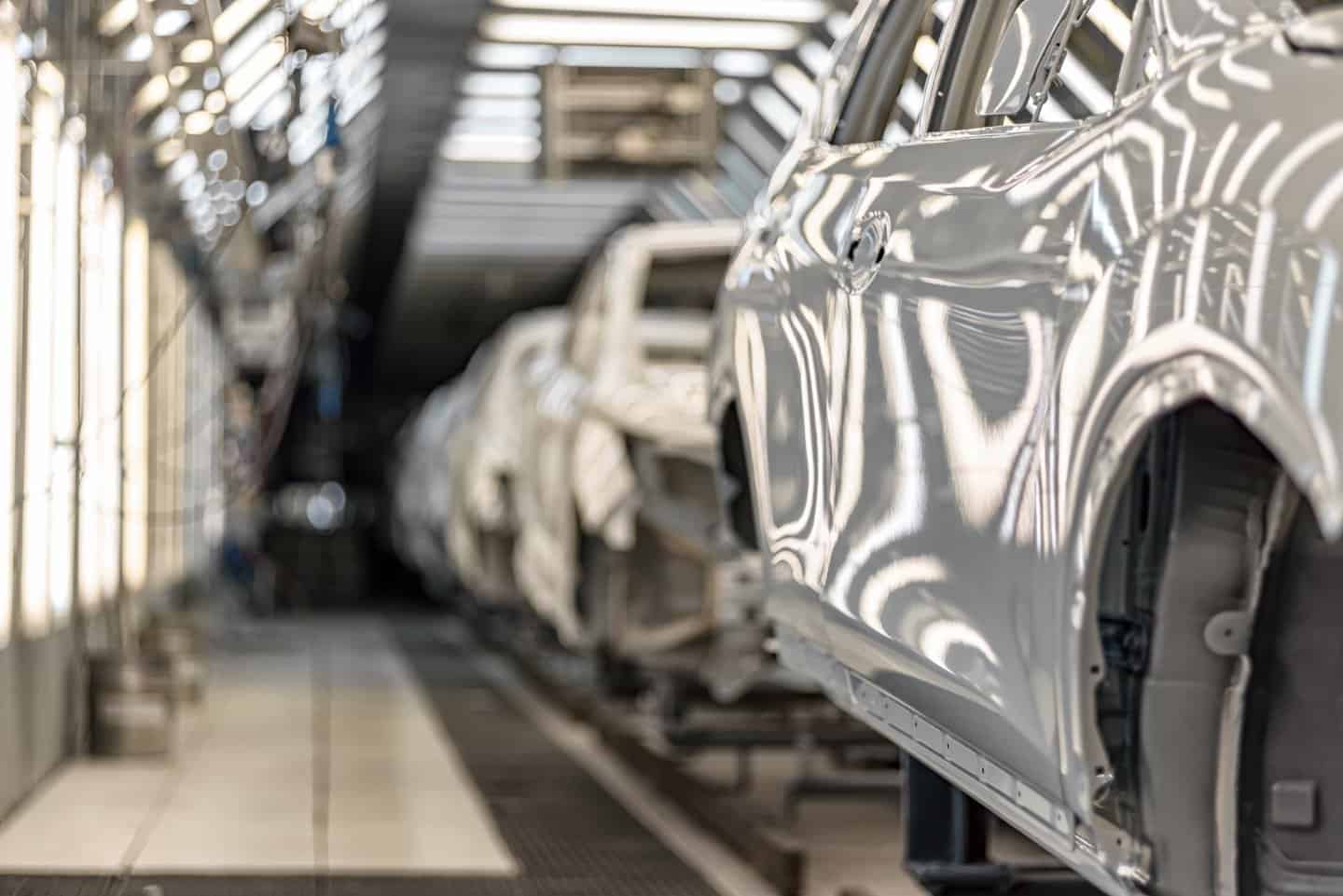
Automotive
Trim foundation
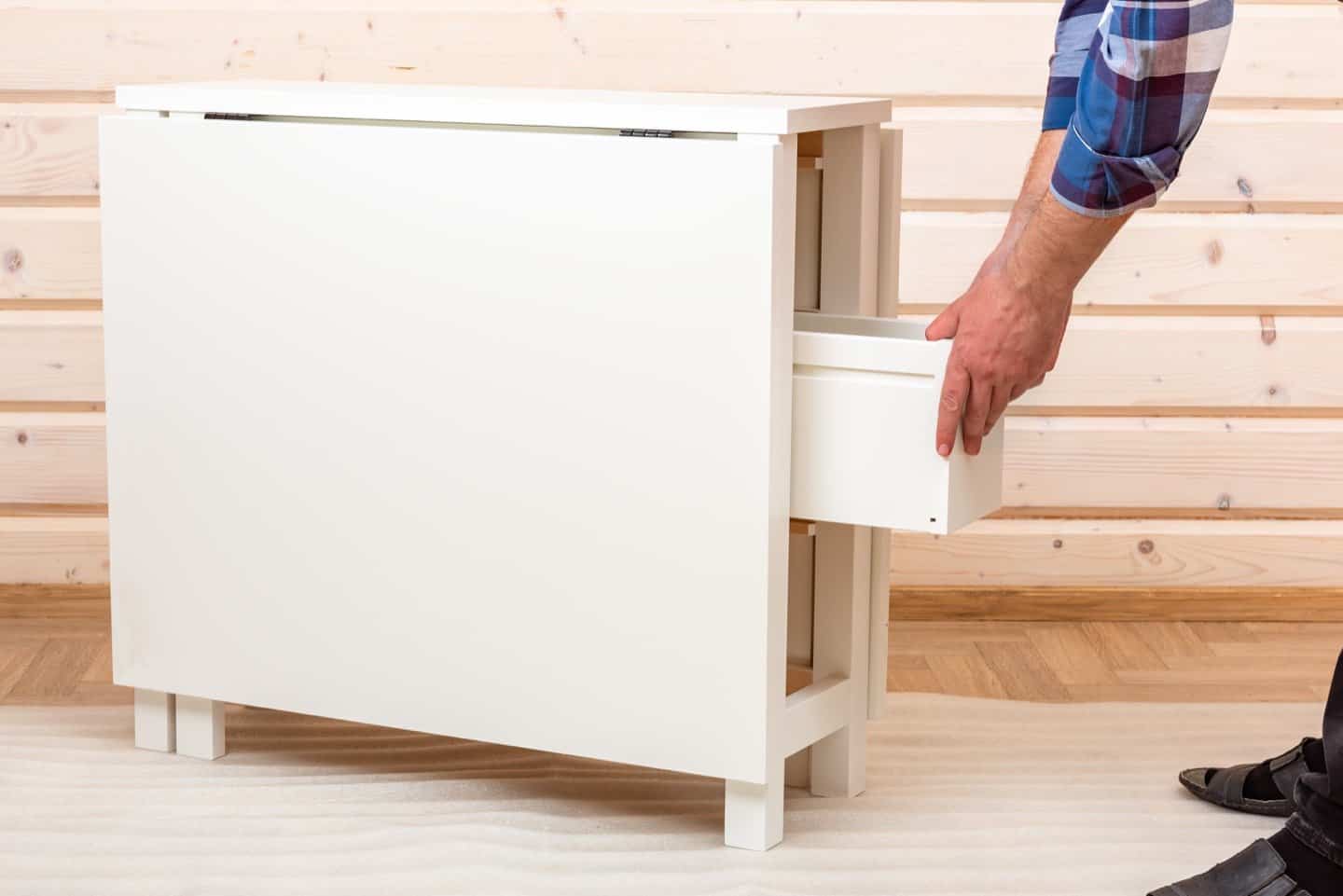
Furniture
Back panel
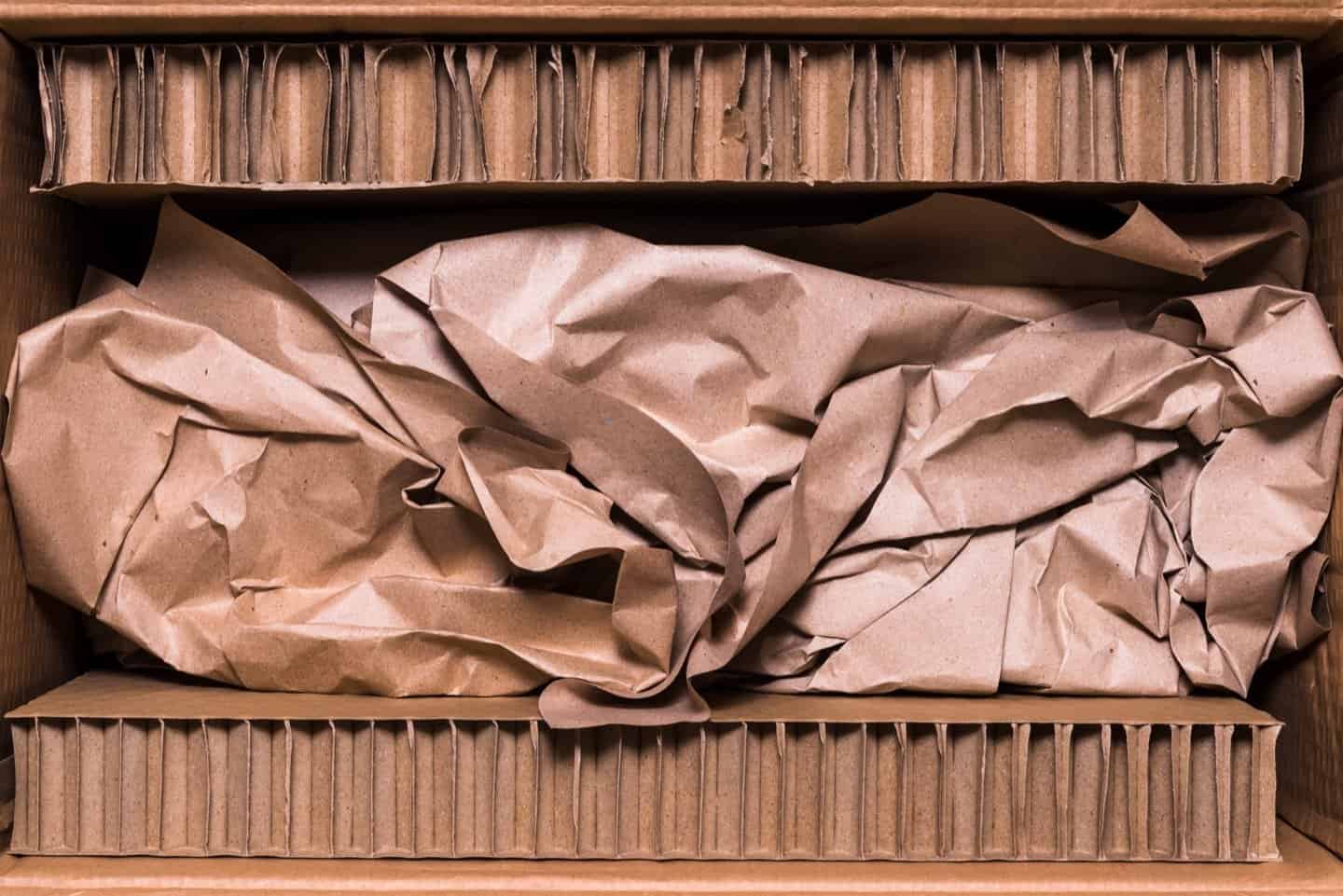
Packaging
Poly coated board
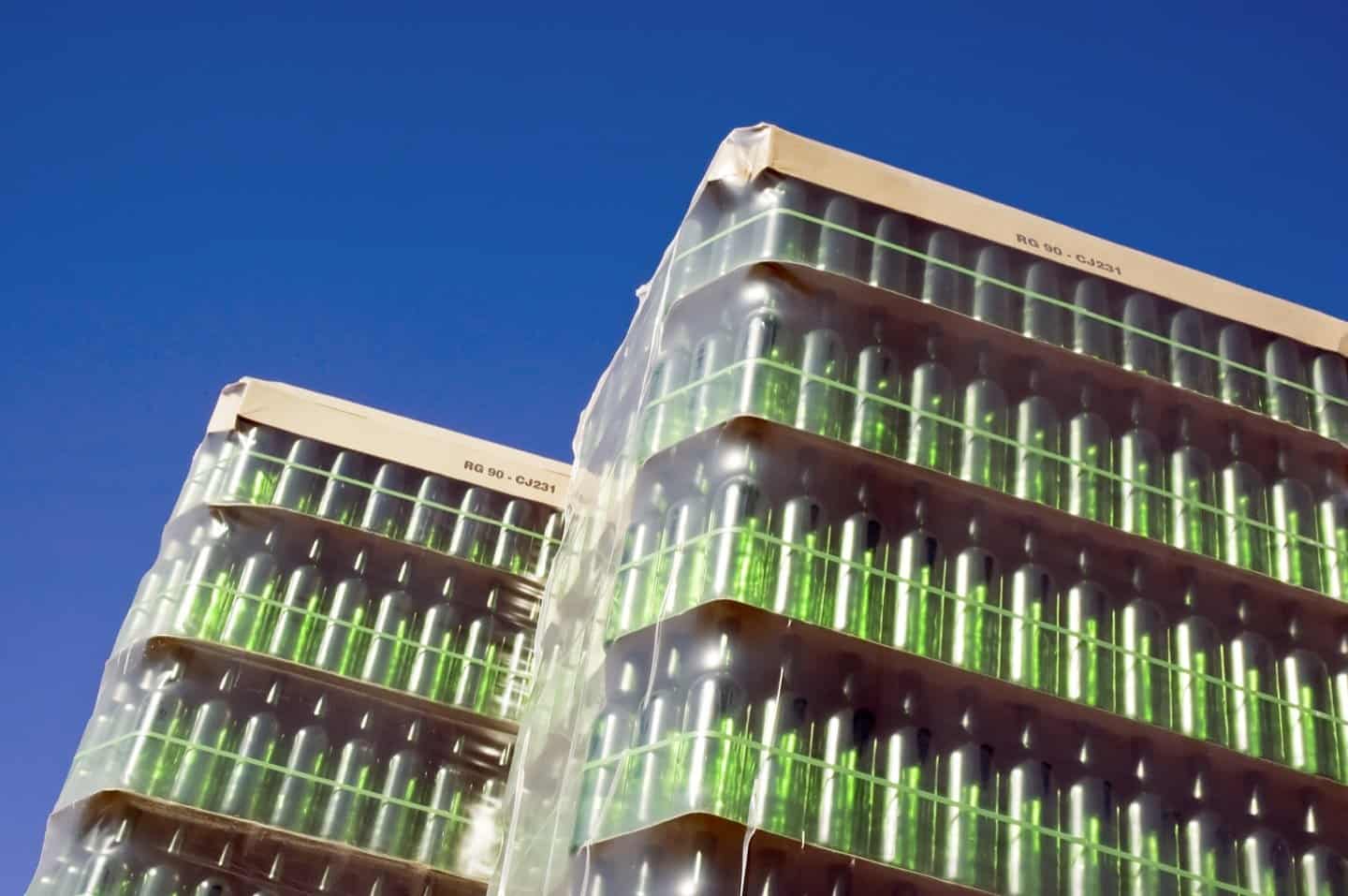
Handling
Tier and slip sheet
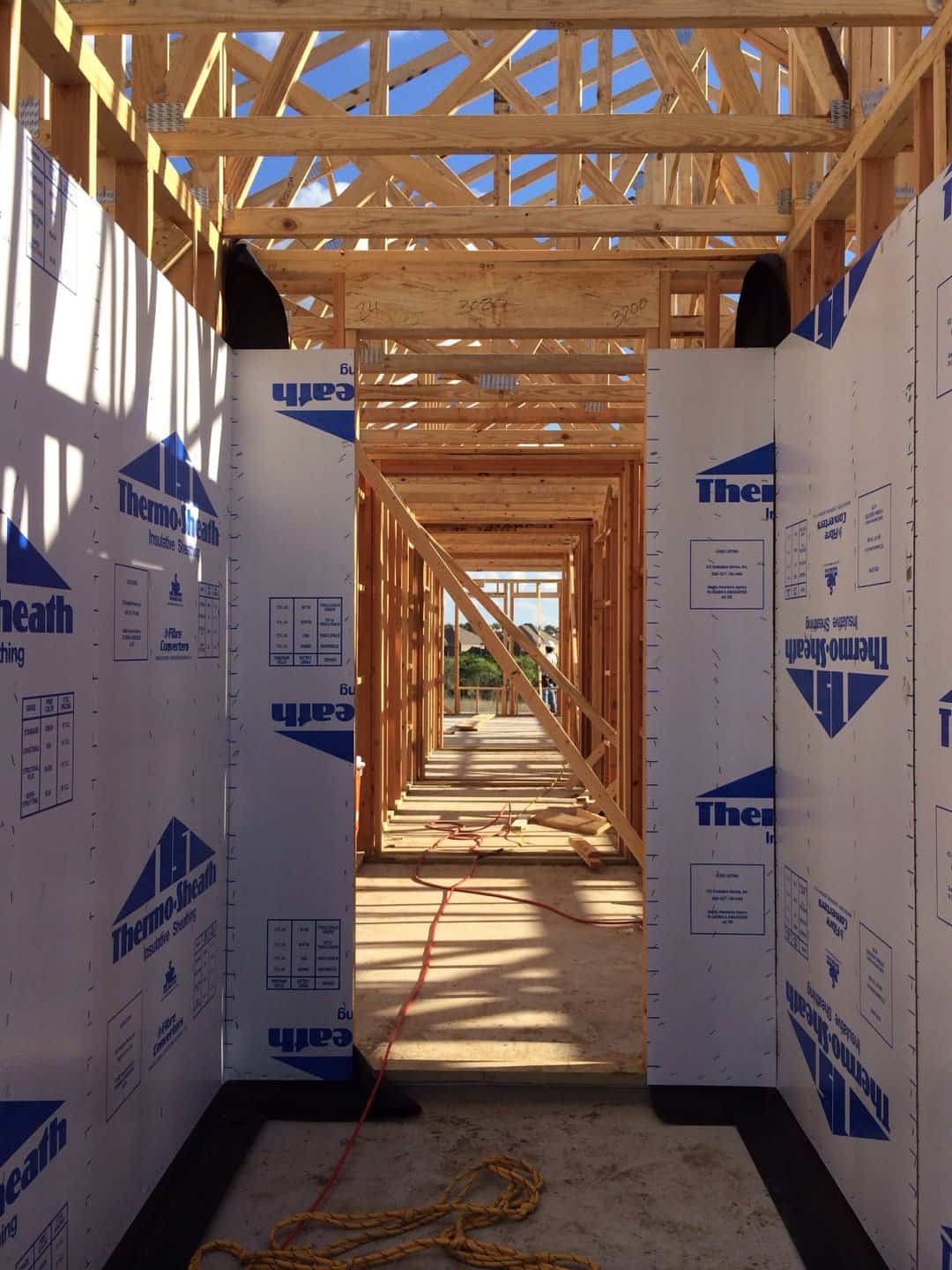
Housing
Exterior sheathing
You send
You get back
Extrusion coating, laminating and die cutting, from recycled paperboard, virgin paper and board stock.
How each process worksRaw board goes in at one end. A finished component comes out the other. Because all three processes run in one plant, the material is never handed off, and the tolerance holds across the whole sequence.
01
Molten polyethylene is laid directly onto the board as it runs, producing a poly coated sheet where a moisture or grease barrier is required.
02
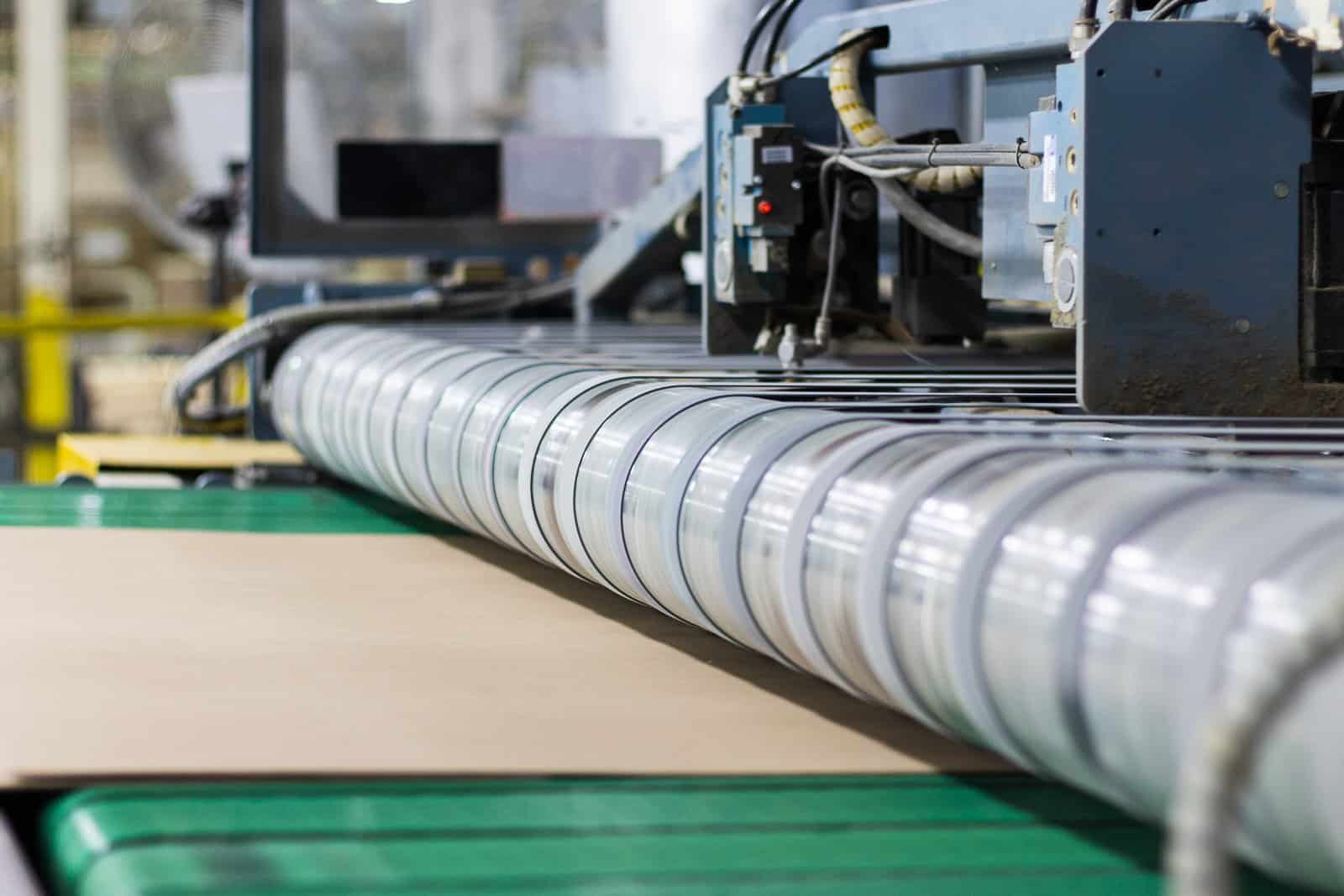
Plies are bonded into a single board at the caliper and stiffness your part calls for. Grades and liners are combined to hit the specification rather than the catalogue.
03
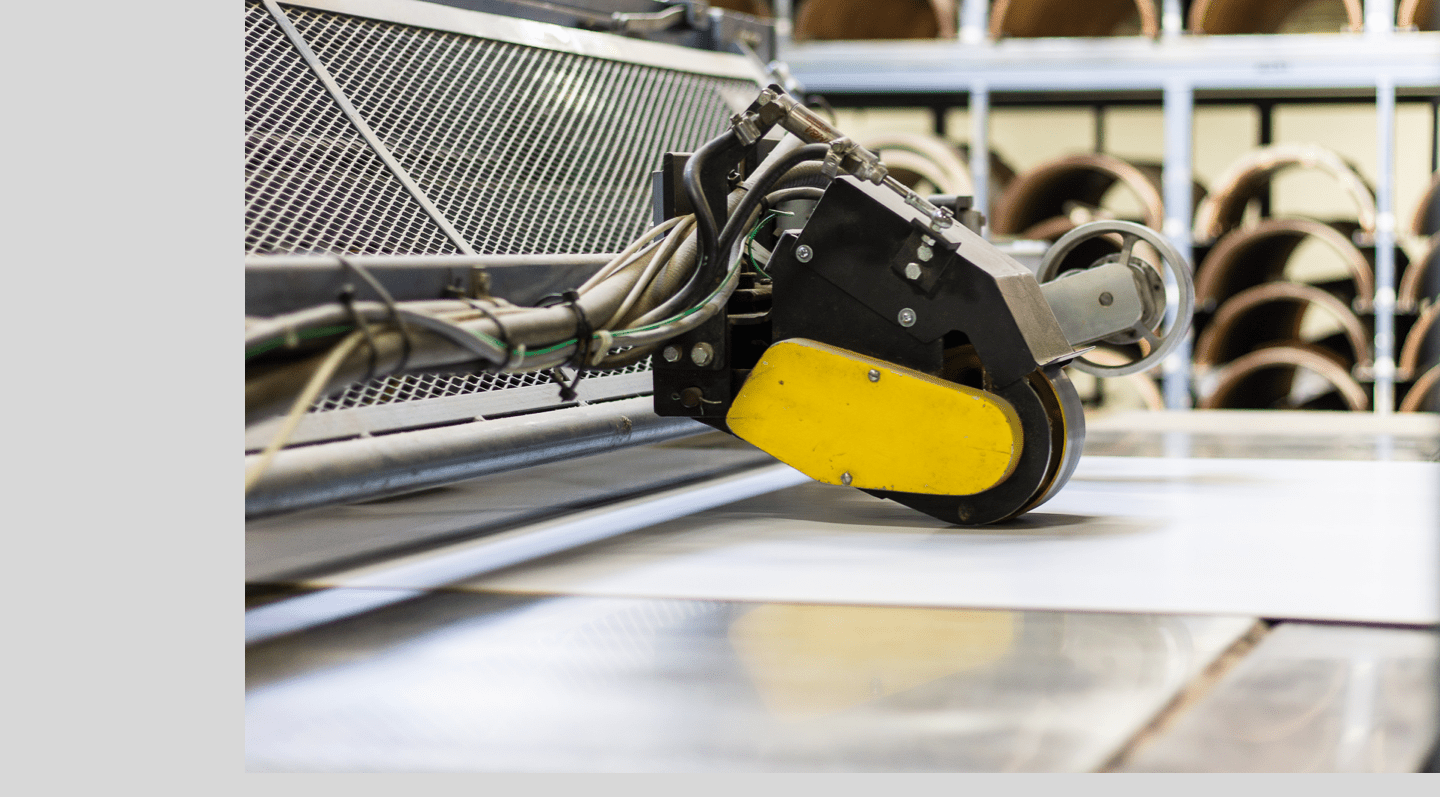
Sheets are cut to profile at up to 84 in by 75 in, so a finished component leaves the plant rather than a blank someone else has to convert.
Parts are nested on a sheet so none of it goes to waste. The industries work the same way: seven different problems solved off the same three processes.
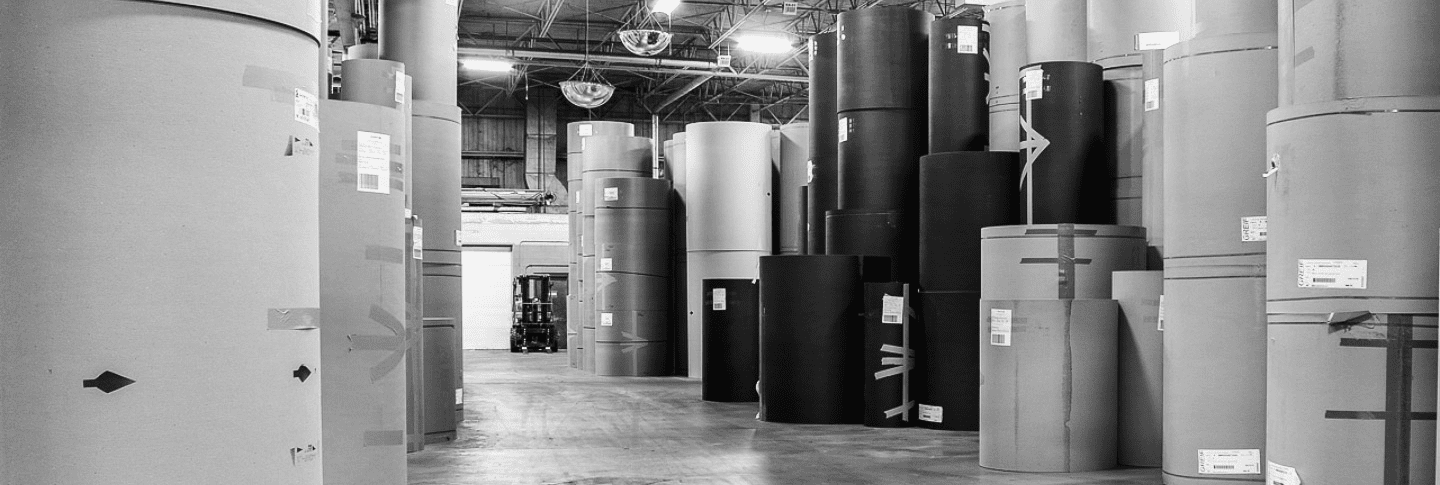
Running laminated paperboard conversion out of the same Michigan plant since 1951, for manufacturers who cannot afford a component that varies.
1951
Converting since
75
Years, one plant
84×75
Max die cut, inches
03
Processes, one roof
Supplying manufacturers including
FordGeneral MotorsIKEAAdientMagnaVolvoNavistarSonocoGraphic PackagingNorthrop GrummanPulteLennar
About the company05 questions
Up to 84 in by 75 in. If your part fits inside that envelope, it can leave here finished rather than as a blank for someone else to convert.
Recycled paperboard, virgin kraft liner board, specialty liners with polyethylene or foil barriers, and poly coated board with functional coatings. Grades are selected against your specification.
It applies molten polyethylene directly onto the board as it runs through the line. The result is a poly coated sheet used wherever the component needs a moisture or grease barrier that the base board cannot provide.
Either. Send a drawing and a volume, or describe the function the part has to perform and the constraints around it, and we will work back to a construction.
One Industrial Drive, Constantine, Michigan, in the southwest corner of the state. It matters for freight on high volume board, which is bulky relative to its value.
Material, caliper, dimensions and annual volume are enough to start. If it is not a fit, you will hear that too.